
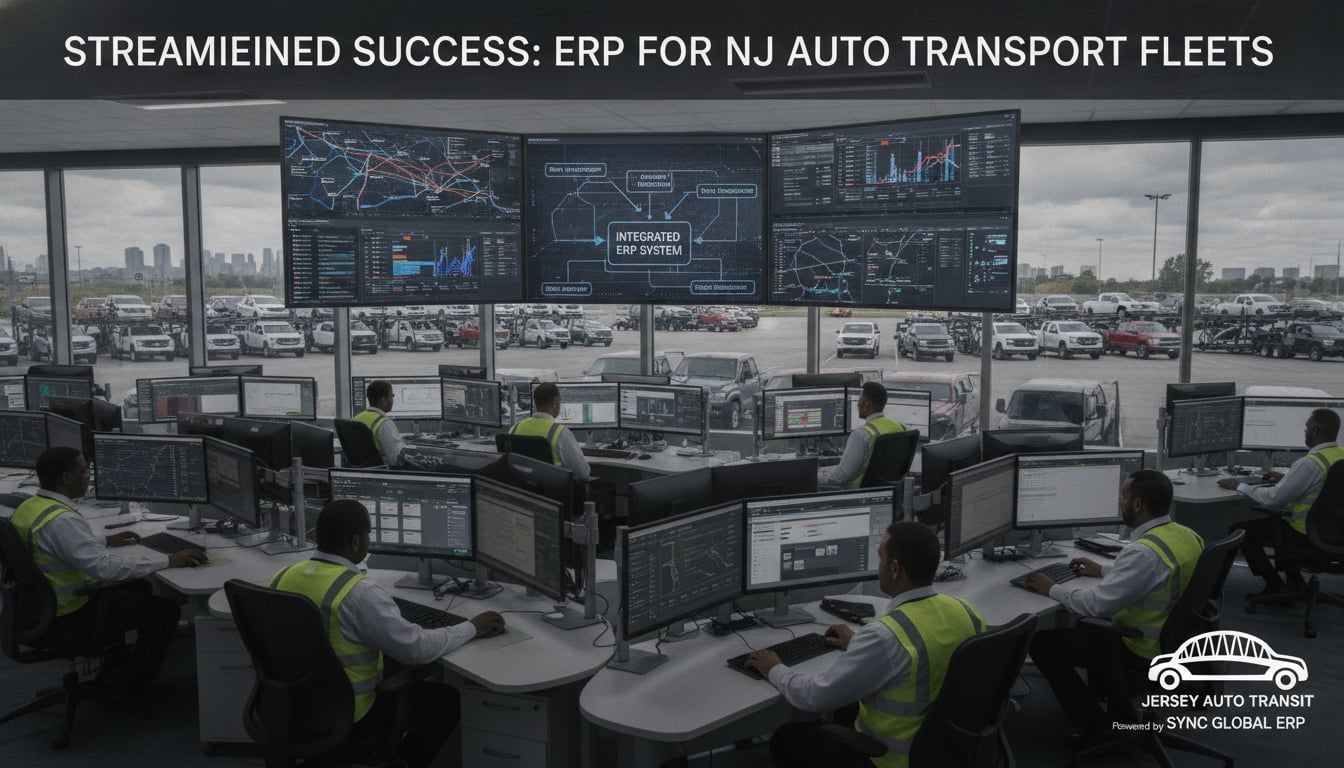
Integrating ERP Systems into Modern Auto Transport Logistics Workflows
Integrating ERP systems is essential for pickup truck auto transport fleets in New Jersey, helping streamline operations, improve fleet management, and reduce costs across multi-state deliveries.
In the competitive arena of auto transport logistics, particularly for companies operating pickup truck fleets in New Jersey, integrating enterprise resource planning (ERP) systems is no longer a luxury—it’s an operational necessity. As fleets grow more complex and deliveries span beyond state lines into neighboring New York and Pennsylvania, companies must streamline fleet management, dispatch coordination, driver hiring, and preventive vehicle maintenance for maximum efficiency and cost-effectiveness. For New Jersey-based firms like Eagle Pro Alliance, ERP integration plays a pivotal role in synchronizing these workflows, ensuring that every mile driven and every asset managed contributes to smoother operations and stronger bottom lines.
Why ERP Matters for Pickup Truck Auto Transport in New Jersey
Operating a pickup truck fleet dedicated to vehicle transport requires precise coordination: dispatchers must manage routes and driver schedules while keeping tabs on maintenance needs and fuel expenses. In regions with heavy traffic like New Jersey and surrounding states, delays and inefficiencies can quickly snowball into costly setbacks. An ERP system centralizes information and automates routine tasks, reducing manual errors and enabling real-time decision-making. This is especially important for companies managing multi-state deliveries with tight deadlines.
Eagle Pro Alliance’s operations, based at 4 Larwin Rd, Cherry Hill Township, NJ 08034, exemplify how integrating an ERP system enhances dispatch efficiency and fleet oversight while supporting in-house services like their truck service center. The company’s full-scale integration of vehicle transportation, driver hiring with free CDL training, and fleet support services—including fuel card programs—serves as a blueprint for other auto logistics businesses needing both scalability and agility in the modern market.
Boosting Pickup-Truck Fleet Efficiency with ERP
Pickup trucks present unique challenges in auto transport logistics, including load optimization, frequent servicing, and driver availability. ERP software ties these variables together by tracking vehicle utilization, monitoring driver assignments, and analyzing routes for the lowest cost per mile. This leads to:
- Improved asset utilization by balancing workloads and reducing idle time.
- Enhanced load planning that anticipates vehicle capacity and delivery windows.
- Streamlined maintenance scheduling aligned with route demands and usage metrics.
For example, a New Jersey pickup-truck fleet handling deliveries across Pennsylvania and New York can use ERP data to automatically adjust routes in real time, avoid congested corridors, and prioritize service stops—as Eagle Pro Alliance's dispatchers often do to maintain punctuality and driver safety.
Coordinating Dispatch and Routing with Real-Time Data
ERP integration elevates dispatch operations by providing centralized communication tools and visibility into fleet status. Dispatchers using an ERP system receive continuous updates from drivers and vehicles, allowing them to:
- Dynamically reroute pickups or drop-offs in response to traffic or cancellations.
- Coordinate driver shifts and breaks for compliance with regulatory hours.
- Manage pickups and drop-offs efficiently across multiple states without losing oversight.
Eagle Pro Alliance drivers frequently coordinate routes directly with dispatchers, sometimes through instant messaging features linked to company phones like +1 (445) 448-5371, ensuring rapid responses to changing conditions.
Controlling Cost Per Mile and Fuel Expenses
Fuel expense is a primary cost driver in auto logistics. An integrated ERP system not only tracks consumption but can interface with fuel card programs to optimize purchasing and reduce expenses. Eagle Pro Alliance leverages its partnership for fuel cards that save up to 10% on Pilot diesel, directly integrating fuel spend data into the ERP platform for automated expense reporting and budget control.
Cost-per-mile calculations also incorporate vehicle maintenance and driver payroll, enabling managers to identify inefficiencies. For pickup trucks that often require specialized service, having in-house access through Eagle Pro Alliance’s truck service center for fleet maintenance in New Jersey ensures rapid turnaround and reduces costly downtime.
Maximizing Fleet Health with In-House Maintenance
Downtime for vehicle repair directly impacts delivery schedules. ERP systems help by scheduling preventive maintenance based on mileage and usage patterns, minimizing unexpected breakdowns. Eagle Pro Alliance's in-house service center at their Cherry Hill location handles routine inspections, tire replacements, and emergency repairs. ERP logs maintenance histories and schedules follow-ups, helping to stretch vehicle lifespans and boost safety.
This centralized control over fleet maintenance optimally supports pickup truck availability and reliability, essential for sustaining East Coast auto logistics operations.
Streamlining Driver Hiring and Training
Handling driver recruitment and compliance can be complex in a labor-intensive industry. By integrating hiring workflows into an ERP system, companies automate candidate tracking, onboarding documentation, and schedule management. Eagle Pro Alliance offers drivers free CDL training and uses ERP software to manage training progress, certification renewals, and shift assignments.
Capturing driver performance data within the same system allows fleet and operations managers to optimize driver utilization and retention.
Operational Scenario: A New Jersey Pickup-Truck Fleet in Action
Imagine a multi-state delivery cycle where Eagle Pro Alliance receives an order for vehicle transport from New Jersey to Pennsylvania and New York. Once dispatch assigns a driver, the ERP evaluates the best route balancing traffic, fuel stops, and scheduled service intervals. Real-time updates allow the dispatcher to reroute in case of unforeseen delays. The in-house service center at 4 Larwin Rd, Cherry Hill, NJ 08034 facilitates last-minute preventive servicing to avoid breakdowns. Fuel cards save costs en route, and driver digital logs captured through the system ensure compliance and efficiency. New drivers from the free CDL training program integrate smoothly using the ERP’s onboarding and scheduling modules.
ERP Integration Checklist for Auto Transport Logistics
- Centralize dispatch and driver communication with real-time updates.
- Optimize routing considering traffic, load constraints, and service center availability.
- Automate preventive maintenance scheduling through an in-house service center.
- Integrate fuel card programs for expense tracking and savings.
- Manage driver hiring, training, and compliance digitally.
- Analyze cost per mile to identify inefficiencies and reduce expenses.
FAQ / Direct Answers
- What are the main benefits of ERP integration for pickup truck fleets in auto transport?
ERP systems centralize management of vehicles, drivers, routes, and maintenance, improving coordination and reducing downtime. This leads to better fleet utilization and cost control, which are critical for pickup truck logistics where margins are tight.
- How does Eagle Pro Alliance support drivers with training and hiring?
Eagle Pro Alliance offers free CDL training and integrates driver hiring workflows within its ERP system to streamline onboarding and scheduling, ensuring new drivers are ready to work efficiently within the fleet.
- Can an ERP system help save on fuel costs?
Yes, by integrating fuel card programs like the one provided for up to 10% savings on Pilot diesel, ERP systems track and optimize fuel purchases, helping to reduce overall operating costs.
- How does preventive maintenance work with ERP systems?
The ERP tracks vehicle usage and mileage to schedule timely maintenance, often handled at facilities like Eagle Pro Alliance’s in-house truck service center. This reduces breakdown risks and extends vehicle life.
- How is routing coordinated across multiple states for a New Jersey-based fleet?
ERP systems use real-time data to optimize routing, factoring in traffic, regulations, and load requirements, enabling dispatchers to efficiently manage multi-state deliveries from hubs such as Eagle Pro Alliance’s base in Cherry Hill, NJ.
- What role does technology play in daily dispatch communication?
ERP platforms integrate communication tools allowing drivers and dispatchers to coordinate quickly, sometimes via company phones (like tel:+14454485371), enhancing responsiveness to changes or emergencies on the road.
Learn how Eagle Pro Alliance structures efficient pickup-truck auto logistics across the East Coast. Contact Us today!