
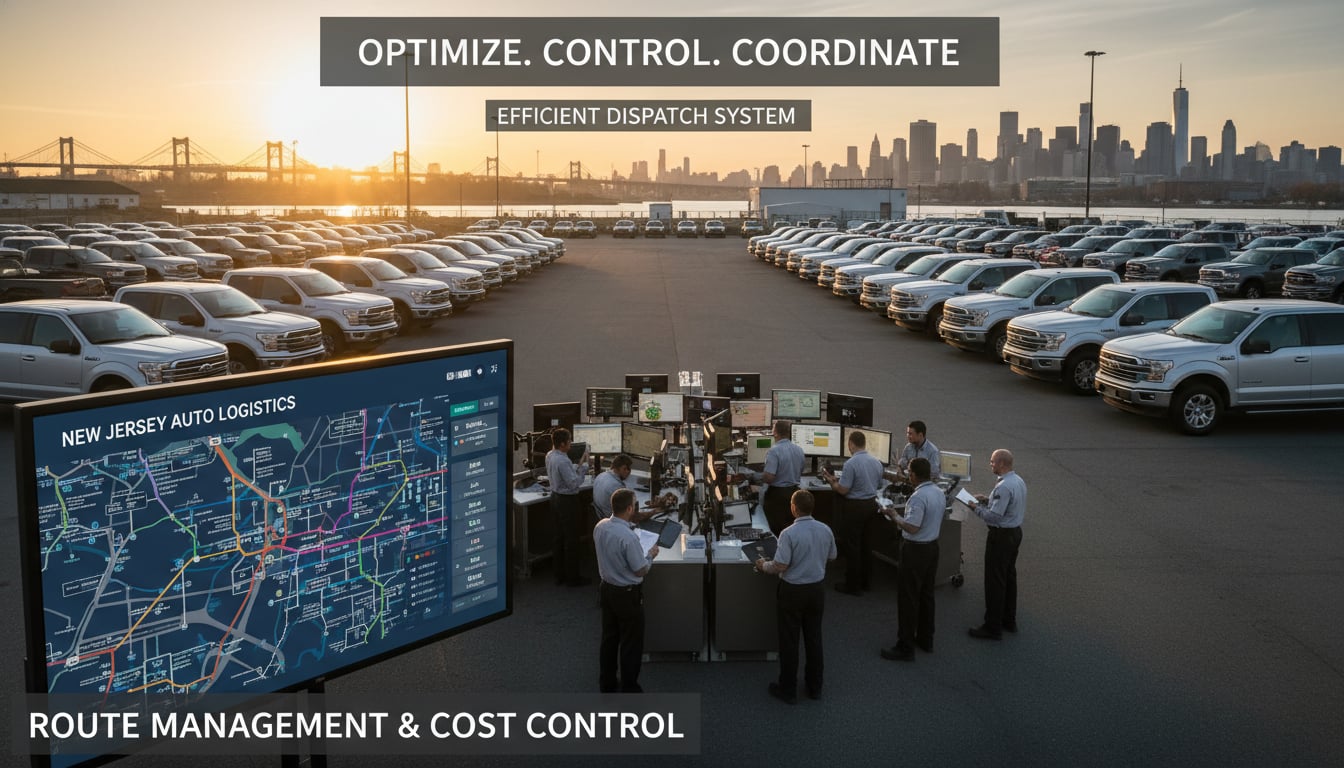
Dispatch Systems for Pickup Truck Auto Logistics: Optimizing Fleet Efficiency in New Jersey
Efficient dispatch systems are crucial for optimizing pickup truck auto logistics in New Jersey, improving route management, cost control, and driver coordination.
In the competitive landscape of auto transport, efficient dispatch systems are essential for companies managing pickup truck fleets. For auto logistics businesses operating pickup truck auto transport in New Jersey, streamlined dispatch and fleet management processes mean more deliveries, optimized routes, and lower operating costs. Whether you own a fleet, run as an owner-operator, or manage drivers, integrating a robust dispatch system tailored to pickup trucks offers tangible operational advantages.
This article explores how dispatch systems fit into every aspect of pickup truck auto logistics, from routing and driver coordination to cost control and vehicle maintenance. We’ll also detail how Eagle Pro Alliance leverages dispatch technology, driver hiring with free CDL training, an in-house truck service center, and other fleet support services to maximize efficiency for our East Coast operations.
Why Dispatch Systems Matter for Pickup Truck Auto Logistics in New Jersey
Managing a pickup truck fleet in New Jersey involves navigating diverse routes, tight delivery windows, and multi-state regulations. Efficient dispatch systems help align these variables by providing real-time coordination, driver communication, and load optimization—critical factors given the volume and urgency of vehicle transport jobs.
For example, a New Jersey-based fleet handling multi-state deliveries often requires rapid re-routing based on traffic changes or client priorities. Dispatch software integrated with GPS tracking and communication tools supports these adjustments instantly, reducing downtime and improving customer satisfaction.
Moreover, given the rising costs of fuel and maintenance, dispatch systems that incorporate fuel card management and proximity to service centers enable precise control of operational expenses.
Key Components of Effective Dispatch Systems in Pickup Truck Auto Logistics
1. Coordinated Pickup and Delivery Scheduling
Dispatch integrates pickup and drop-off requests into an organized schedule, ensuring trucks are assigned in the most efficient sequence. Automated alerts notify drivers of changes instantly, which is indispensable for pickup truck auto transport in New Jersey, where congested roads and traffic delays are common.
2. Intelligent Routing and Load Planning
Through route optimization algorithms, dispatch systems determine the best paths that reduce mileage and maximize capacity utilization. This capability is especially vital when managing a fleet operating across New Jersey, New York, and Pennsylvania. Automated load balancing ensures trucks maintain profitability on every mile.
3. Real-Time Fleet Visibility and Communication
Dispatchers need continuous access to driver locations, status updates, and estimated arrival times. This transparency allows responsive adjustments, minimizes deadhead miles, and keeps customers informed on shipment progress.
4. Integration with Fleet Maintenance and Support Services
Preventive maintenance alerts linked to vehicle mileage and service intervals minimize downtime. With a dedicated truck service center for fleet maintenance in New Jersey onsite at 4 Larwin Rd, Cherry Hill Township, NJ 08034, schedules can be coordinated with maintenance needs efficiently, reducing vehicle idle time.
5. Driver Hiring and Training Coordination
Centralized dispatch systems support driver management, including recruitment updates and training schedules. Eagle Pro Alliance offers drivers hiring and free CDL training to ensure a steady pipeline of qualified drivers who seamlessly integrate into dispatch workflows.
6. Fuel Cost Management Through Digital Tools
Using electronic fuel cards – save up to 10% on Pilot diesel – can be integrated with dispatch systems to monitor fuel expenses per route and driver, enhancing cost control on fuel-intensive operations.
Operational Scenario: Improving Efficiency Through Integrated Dispatch and Maintenance
Consider a mid-sized New Jersey pickup-truck fleet undertaking multi-state deliveries extending into Pennsylvania. Using Eagle Pro Alliance’s dispatch system, the operations manager dynamically schedules pickups and drop-offs, while monitoring vehicle status and driver availability. When a truck nears a maintenance threshold, the system automatically schedules a service appointment at the in-house Cherry Hill truck service center, strategically minimizing downtime.
Drivers receive route updates and fuel card usage guidelines via a mobile app linked to dispatch. Meanwhile, new recruits recently onboarded through the company’s free CDL training program are efficiently assigned routes matching their skill levels. This integrated approach helps reduce cost per mile, boosts driver satisfaction, and maintains a competitive edge in East Coast auto logistics operations.
Benefits of Dispatch Systems in Pickup Truck Fleet Management
- Improved route efficiency: Real-time optimization reduces time spent on the road.
- Lower operational costs: Monitoring fuel consumption via linked fuel cards controls expenses.
- Enhanced fleet reliability: Preventive maintenance scheduling through integrated shop coordination.
- Increased driver productivity: Centralized dispatch and communication streamline daily workflows.
- Simplified driver recruitment: Dispatch tools aligned with hiring and training pipelines.
For companies interested in expanding or optimizing their fleet, Eagle Pro Alliance also offers pickup truck rent and sale options, ensuring you have the right vehicles to meet demand.
Picking the Right Dispatch System: Checklist for Pickup Truck Auto Logistics Companies
- Must support multi-state routing and real-time updates
- Should integrate with fuel management programs for cost tracking
- Needs built-in communication tools for driver-dispatch coordination
- Should link to maintenance schedules and workshops nearby
- Must accommodate driver hiring data and training progress
- Compatible with fleet expansion options like rentals and sales
FAQ / Direct Answers
- Q1: How does a dispatch system improve efficiency for pickup truck fleets?
A dispatch system consolidates scheduling, routing, and communication into a single platform, enabling managers to optimize routes, reduce idle time, and coordinate drivers effectively. This leads to better fleet utilization and faster deliveries.
- Q2: What role does maintenance play in dispatch planning for Eagle Pro Alliance?
Maintenance is tightly integrated into dispatch operations. Vehicles receive preventive service appointments at the Cherry Hill Township truck service center, scheduled to minimize downtime and keep trucks road-ready.
- Q3: Can a dispatch system help reduce fuel costs?
Yes, by incorporating fuel purchases through specialized fuel cards, dispatch software tracks fuel consumption per driver and route, helping managers pinpoint savings opportunities and monitor spending closely.
- Q4: How does Eagle Pro Alliance support driver recruitment and training within dispatch?
The company offers free CDL training and integrates new driver onboarding data with dispatch assignments, ensuring smooth fleet integration and operational consistency.
- Q5: Is dispatch management adaptable for pickup trucks compared to larger semi-trucks?
Pickup truck logistics require flexible scheduling and routing tailored to smaller vehicle capacities and frequent stops. Specialized dispatch systems accommodate these nuances, optimizing the unique demands of pickup truck transport.
- Q6: How do dispatchers communicate with drivers during deliveries?
Dispatch systems offer real-time messaging or phone contact options. Drivers often contact the operations team directly by phone at tel:+14454485371 for immediate support, ensuring smooth communication and rapid issue resolution.
Learn how Eagle Pro Alliance structures efficient pickup-truck auto logistics across the East Coast. Contact Us today!