
Dispatch Systems for Pickup Truck Auto Logistics: Enhancing Fleet Efficiency in New Jersey
Explore how Eagle Pro Alliance’s advanced dispatch systems optimize pickup truck fleet operations, routing, maintenance, and driver integration to enhance logistics efficiency in New Jersey and beyond.
Efficient dispatch systems are the backbone of successful pickup truck auto logistics companies, particularly in a densely trafficked region like New Jersey. For logistics providers managing multi-state deliveries to and from New Jersey, New York, and Pennsylvania, seamless coordination between dispatchers, drivers, and maintenance teams is critical to maintaining reliability, controlling costs, and maximizing fleet utilization. Eagle Pro Alliance, based at 4 Larwin Rd, Cherry Hill Township, NJ 08034, leverages advanced dispatch strategies alongside an integrated support network—including driver hiring, in-house truck service, and fuel management—to meet the unique demands of East Coast auto transport operations.
In this article, we explore how effective dispatch systems optimize pickup truck fleet operations, load planning, and maintenance management while supporting driver recruitment and retention efforts. We also delve into cost controls, such as fuel savings and preventive maintenance, which make a measurable impact on per-mile expenses.
Why Dispatch Systems Matter in Pickup Truck Auto Logistics
Pickup truck auto transport is inherently complex. Fleets must manage variable load sizes, last-minute delivery changes, and driver availability within tight scheduling windows. For New Jersey-based operators like Eagle Pro Alliance, where operations span multiple states, dispatch systems must balance real-time communication, geographic routing, compliance, and resource allocation.
An optimized dispatch system enhances:
- Fleet Efficiency: Ensures trucks are utilized effectively without excessive downtime.
- Routing and Load Planning: Minimizes empty miles by strategically assigning pickups and deliveries.
- Driver Coordination: Matches available drivers from hiring pools—including CDL trainees—with job demands.
- Maintenance Scheduling: Integrates fleet servicing to reduce unexpected breakdowns and costly delays.
- Cost Management: Controls expenses related to fuel, repairs, and labor.
Streamlining Pickup Truck Fleet Operations in New Jersey
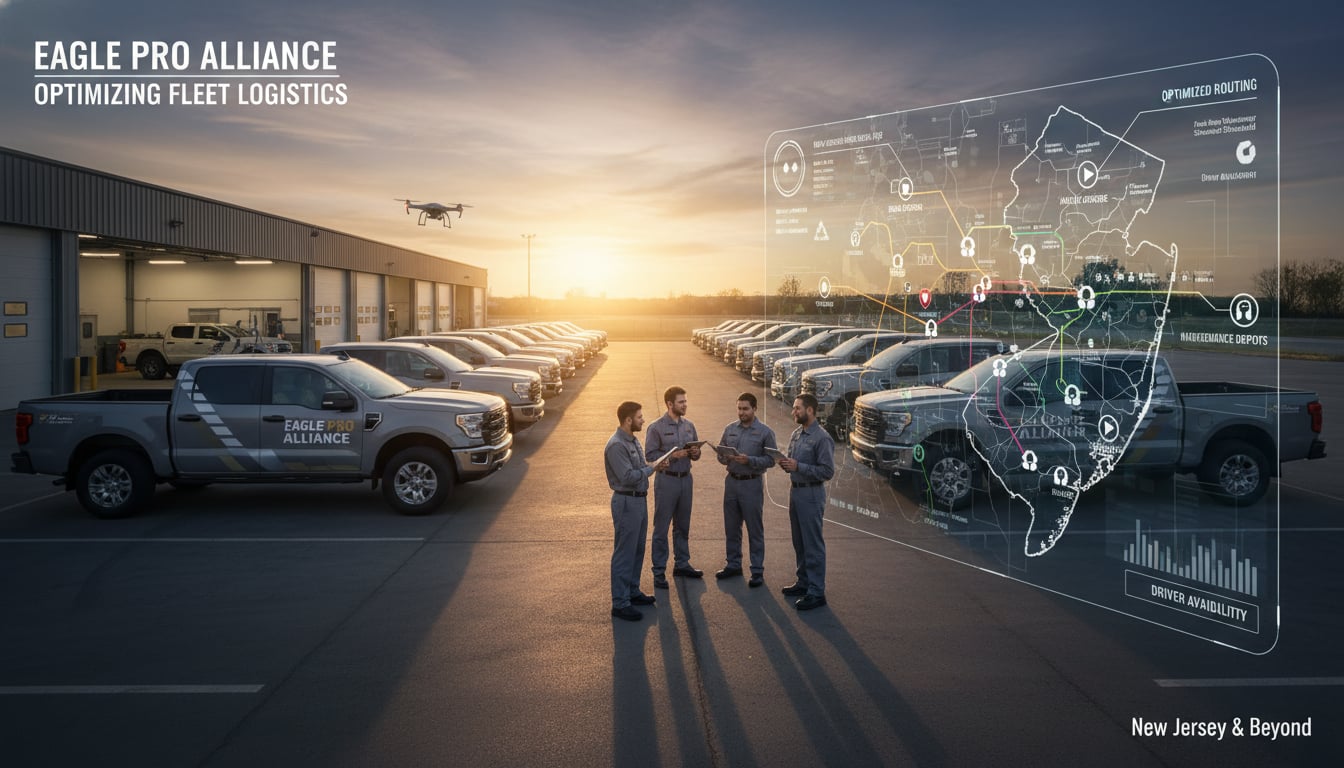
Operating in New Jersey’s competitive auto logistics environment requires a dispatch model that adapts to regional traffic patterns, regulatory requirements, and cross-state logistics. Eagle Pro Alliance’s pickup truck fleet is supported by proprietary dispatch software that aligns delivery routes with driver availability and customer requirements.
Real-World Scenario: Multi-State Delivery Routing
One practical example involves a Cherry Hill-based fleet managing high-volume shipments between New Jersey, New York, and Pennsylvania. The dispatch system consolidates orders geographically to optimize routing efficiency. Real-time updates help route trucks around congestion zones or adverse weather, minimizing delays and lowering fuel consumption.
Dispatch Coordination and Routing: The Core of Logistics Success
A dispatch system must integrate multiple variables:
- Driver Schedules: Assignments consider driver hours-of-service regulations, qualifications, and preferences, including those entering the fleet through free CDL training programs.
- Load Prioritization: Prioritize urgent auto transport requests while balancing routine pick-ups.
- Route Optimization Software: Utilize GPS and traffic data to plan the most efficient paths.
- Dynamic Rescheduling: Enable instant updates in response to traffic disruptions or vehicle issues.
Dispatch teams at Eagle Pro Alliance employ advanced platforms that provide detailed visibility over fleet movements and driver status. Drivers often contact the operations team directly by phone, ensuring rapid problem resolution and communication.
Cost-Per-Mile Control: Fuel and Maintenance Integration
Controlling operating costs is essential for competitive auto logistics. Fuel expenses represent a major portion of cost per mile, particularly in pickup truck fleets servicing dense East Coast routes.
Fuel Savings and Fleet Support
Eagle Pro Alliance drivers benefit from fuel cards that save up to 10% on Pilot diesel, helping reduce fuel expenses across the fleet. These cards streamline fuel purchases and provide detailed consumption reports, enabling tighter fuel use oversight.
Preventive Maintenance to Reduce Downtime
The company’s truck service center located at the Cherry Hill facility proactively manages repairs and maintenance to prevent breakdowns. Fleet operators schedule routine check-ups coordinated through dispatch software to align with delivery commitments, ensuring vehicle availability.
Driver Hiring, Free CDL Training, and Dispatch Integration
Reliable drivers are the cornerstone of efficient logistics. Recruiting and training are handled through Eagle Pro Alliance’s driver hiring and free CDL training program. New drivers enter the pipeline fully prepared to integrate with dispatch scheduling and routing systems, reducing onboarding time and expanding fleet capacity when demand spikes.
Dispatch systems automatically update driver qualifications, availability, and progress through training, allowing smooth assignment of routes appropriate to driver skill level and regulatory compliance.
Fleet Support Services: Rentals and More
In addition to core trucking operations, fleet managers at Eagle Pro Alliance utilize services such as pickup truck rentals and sales to scale capacity as needed. This flexibility supports dispatch’s ability to handle variable workloads without long-term capital investment.
Checklist: Key Elements of Effective Pickup Truck Dispatch Systems
- Real-time route optimization with consideration of New Jersey and adjacent state traffic
- Integration with driver hiring and free CDL training pipelines
- Scheduling coordination with in-house truck service center for preventative maintenance
- Fuel management using discount cards to monitor and reduce consumption
- Instant communication channels between dispatchers and drivers (phone and digital)
- Use of rental trucks for scalable fleet expansions
FAQ / Direct Answers
- Q: How does Eagle Pro Alliance’s dispatch system accommodate drivers entering through CDL training?
A: Drivers who complete the free CDL training program are added to the dispatch system with full certification and availability status. Dispatchers assign routes matching their experience while ensuring compliance with hours-of-service rules.
- Q: What kind of maintenance support does Eagle Pro Alliance provide to reduce fleet downtime?
A: The in-house truck service center at 4 Larwin Rd in Cherry Hill, NJ, handles scheduled preventive maintenance and repairs, coordinating with dispatch to align servicing with operational schedules and reduce disruptions.
- Q: How do fuel cards contribute to operational efficiency?
A: Fuel cards used across the fleet offer up to 10% savings on Pilot diesel fuel and deliver real-time data on fuel purchases, enabling managers to curb waste and manage fuel budgets more effectively.
- Q: Can dispatcher communication be direct and immediate with drivers on the road?
A: Yes, drivers often contact the operations team directly by phone (Phone: tel:+14454485371) for quick updates or problem reporting, supporting dynamic management of fleet activities.
- Q: What are the benefits of integrating truck rentals into dispatch workflows?
A: Access to pickup truck rentals allows dispatchers to scale up capacity rapidly for peak demands or short-term assignments without the delay and cost of purchasing new vehicles.
Learn how Eagle Pro Alliance structures efficient pickup-truck auto logistics across the East Coast. Contact Us today!